
The Ultimate Guide to Commercial Fabric Durability: Understanding Double Rubs
When you walk into a bustling restaurant or a high-end hotel lobby, you probably don’t think twice about the fabric on the chairs. You notice the color, the texture, and the comfort. However, for commercial property managers and restaurant owners, that fabric represents a significant investment that is under constant assault from friction, spills, and heavy usage.
Choosing the wrong material can lead to visible wear, thinning, and tears in as little as six months. This is where the technical side of textiles becomes your best friend. To ensure your furniture stands the test of time, you need to understand one specific metric: the "double rub."
In this guide, we will break down exactly what double rubs are, how they are tested, and how to select the right durability level for your specific commercial environment.
What Exactly is a Double Rub?
At its simplest, a double rub is a measurement of a fabric’s abrasion resistance. Imagine a person sitting down on a chair and then standing back up. That single motion creates friction against the fabric. In a laboratory setting, this motion is simulated by a machine that rubs a testing material back and forth across the upholstery.
One back-and-forth motion is counted as one "double rub." The test continues until the fabric shows significant signs of wear: usually defined as two or more broken threads, a noticeable hole, or extreme fading of the pile. The final number of cycles the fabric completes before "failing" becomes its double rub rating.
For commercial property managers, this number is the primary indicator of how many years of service you can expect from your furniture. Understanding this metric allows you to move beyond aesthetics and make data-driven decisions for your facility.
The Wyzenbeek vs. Martindale Tests
There are two primary methods used globally to determine double rubs. While they both measure abrasion, they do so in slightly different ways.
The Wyzenbeek Test
The Wyzenbeek test is the standard in North America. During this test, a piece of cotton duck (a heavy canvas-like fabric) or a wire mesh is pulled taut over a mechanical arm. This arm rubs back and forth across the test fabric in a straight line.
The machine tests the fabric in both the warp (lengthwise) and weft (crosswise) directions. This is crucial because some fabrics may be strong in one direction but prone to splitting in the other. If a fabric is rated at 50,000 double rubs Wyzenbeek, it means it survived 50,000 linear cycles without failure.
The Martindale Test
Commonly used in Europe and internationally, the Martindale test uses a different motion. Instead of a straight line, the testing oscillating head moves in a figure-eight pattern (called a Lissajous figure).
Because the Martindale test applies friction from multiple angles simultaneously, its numbers aren't always a direct 1:1 comparison with Wyzenbeek. However, both provide a reliable benchmark for durability. When looking at commercial furniture upholstery options, you will most likely encounter Wyzenbeek ratings in the United States.
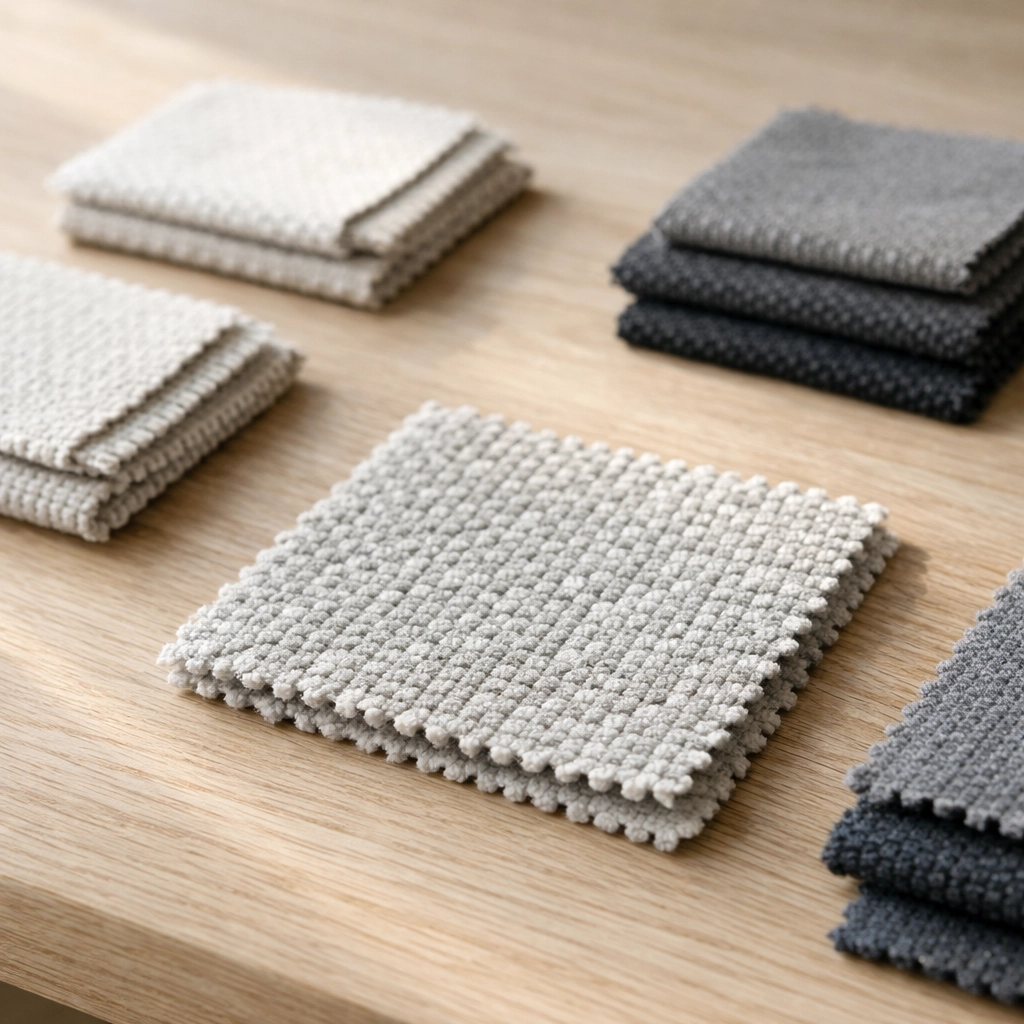
Decoding the Numbers: How Many Double Rubs Do You Need?
A common mistake is assuming that "more is always better." While a higher rub count generally means more durability, it can also lead to a stiffer, less comfortable fabric. You want to match the durability to the specific use case of the furniture.
Light Duty (Under 15,000 Double Rubs)
Fabrics in this category are typically reserved for residential use or decorative accents. In a commercial setting, you might use these for throw pillows or window treatments, but never for seating. Using a 10,000-rub fabric on a restaurant booth will result in failure within weeks.
Medium Duty / General Commercial (15,000 – 30,000 Double Rubs)
This range is suitable for professional offices or hotel guest rooms where the furniture is used regularly but not constantly. For an executive office chair or a side chair in a low-traffic waiting room, 20,000 double rubs are usually sufficient.
Heavy Duty / High Traffic (30,000 – 50,000 Double Rubs)
This is the "sweet spot" for most upholstery services provided to businesses. This level of durability is required for:
Restaurant dining chairs.
Hotel lobby furniture.
Corporate conference rooms.
Theater seating.
Extra Heavy Duty / Contract Grade (50,000+ Double Rubs)
In environments that operate 24/7 or see extreme volume, you need a "bulletproof" fabric. We recommend 50,000 to 100,000 double rubs for:
Airport lounges.
Hospital waiting rooms.
Fast-food booths.
Casino seating.
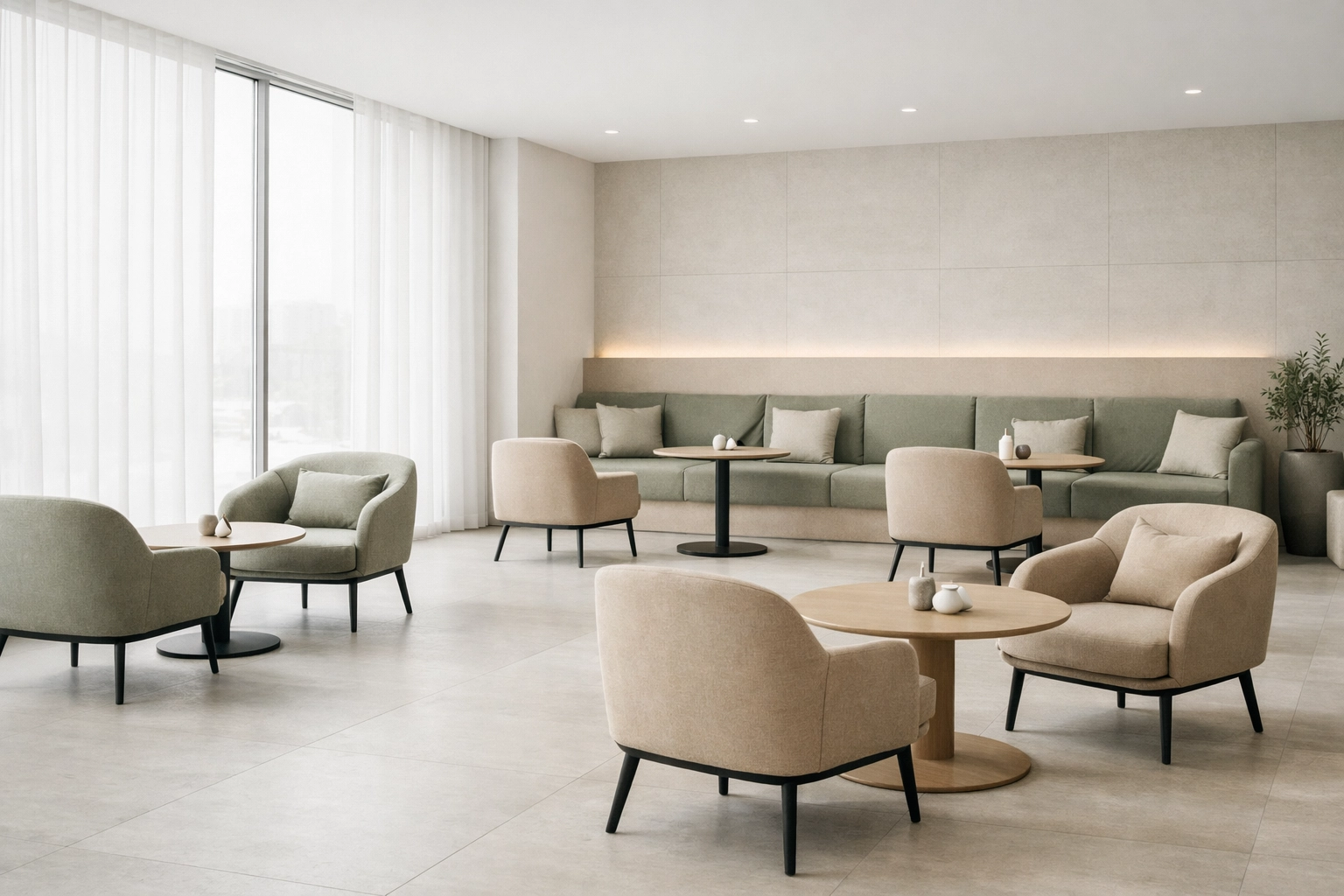
Beyond the Rub: Other Durability Factors to Consider
While double rubs are a vital metric, they are not the only factor that determines how long your upholstery will last. A fabric could survive 100,000 double rubs but still fail your business for other reasons.
1. Pilling Resistance
Pilling occurs when fibers break and tangle into small balls on the surface of the fabric. This can make even a brand-new chair look old and dirty. If you are selecting a woven fabric, check the pilling scale (rated 1 to 5, with 5 being no pilling).
2. Colorfastness to Light
If your furniture is located near large windows or in an outdoor-adjacent area, UV rays will break down the dyes and the fibers. High abrasion resistance won't matter if the fabric turns from deep navy to dusty grey in a single summer. For more on maintaining the look of your pieces, check out our guide on how to clean upholstery.
3. Seam Strength
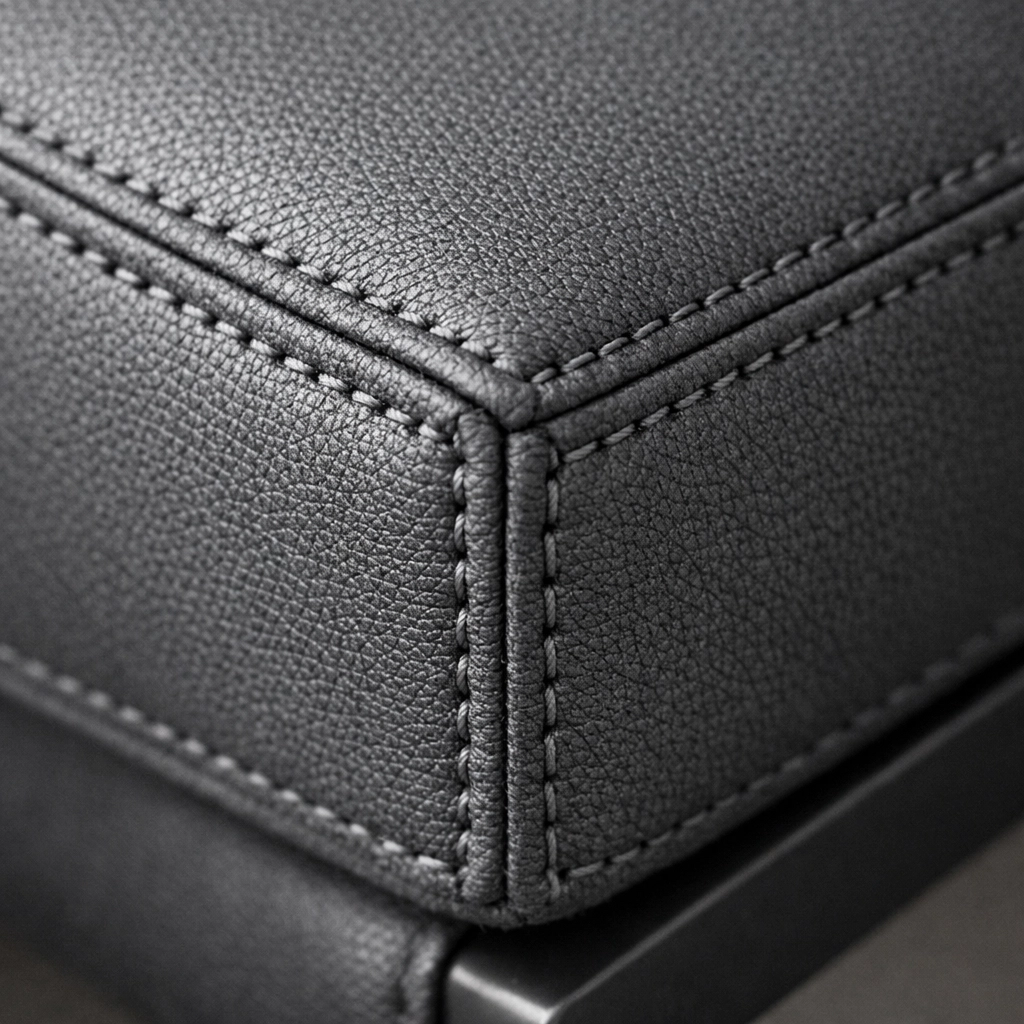
In commercial seating, the seams are often the first point of failure. If the fabric is very durable but has a loose weave, the thread can "pull" through the fabric at the seams: a phenomenon known as seam slippage. Professional upholstery services use reinforced stitching and specific backing materials to prevent this.
4. Flammability and Safety
In many jurisdictions, commercial furniture must meet specific fire safety codes (such as CAL 117). Ensure that your high-durability fabric also meets local fire marshal requirements.
Why Professional Selection Matters for Property Managers
It is tempting to look at a fabric sample, see "100,000 double rubs," and assume you've made a great choice. However, technical specs are only half the battle. The way the fabric is applied to the frame is just as important.
When Neuco handles commercial furniture upholstery, we don't just look at the rub count. We analyze the frame integrity, the density of the foam, and the specific tension required for the fabric type. A high-rub fabric applied incorrectly can still bunch, ripple, or tear at the attachment points.
By investing in professional services, you are ensuring that the high-performance fabric you paid for actually performs as intended. You can see examples of these high-performance materials in action in our galleries.
Pro-Tip: The "Overkill" Trap
As a professional advisor, I often see clients insist on 100,000+ double rub fabrics for every surface in their building. While well-intentioned, this can be a waste of your budget.
If you are outfitting a high-end law firm, a 30,000-rub velvet might offer a much better aesthetic and tactile experience than a 100,000-rub industrial nylon, and it will still last for a decade in that environment. Save the "bulletproof" fabrics for the areas that truly need them: like the entry benches and cafeteria seating: and use the savings to upgrade the aesthetics of your executive spaces.
Final Thoughts
The durability of your commercial furniture is a direct reflection of your business's attention to detail and operational efficiency. By understanding double rubs, you move from being a passive consumer to an informed decision-maker.
Remember these three takeaways:
Context is King: Match the rub count to the specific traffic level of the room.
Verify the Test: Ensure you are looking at Wyzenbeek ratings for North American standards.
Look at the Full Picture: Don't ignore pilling, UV resistance, and seam strength in favor of rub counts alone.
Choosing the right materials is the best way to extend the life of your furniture. For more insights into the longevity of your assets, read our post on how upholstery services extend the life of commercial furniture.
If you’re ready to upgrade your space with fabrics that are as durable as they are beautiful, Neuco is here to help. From restaurant booths to medical office seating, we provide the technical expertise and craftsmanship required to keep your business looking its best for years to come.
Ready to discuss your next project? Contact us today to speak with a commercial upholstery expert.


Comments