
Does PFAS-Free Fabric Really Matter in 2026? What Every Restaurant Owner Needs to Know
- diane096
- Mar 9
- 6 min read
For decades, the restaurant industry relied on a "miracle" solution for high-traffic seating: PFAS. These per- and polyfluoroalkyl substances, often referred to as "forever chemicals," were the secret ingredient that allowed restaurant upholstery to repel grease, water, and wine spills with ease. But as we move through 2026, the conversation has shifted from convenience to compliance and public health.
If you are a restaurant owner, property manager, or hospitality designer, you have likely heard the buzz about PFAS-free materials. You might be wondering: Is this just a passing trend, or is it a fundamental shift in how we maintain our businesses? The answer is clear: the regulatory landscape has changed, and the "forever" in forever chemicals is finally meeting its expiration date in the commercial world.
The 2026 Regulatory Cliff: Why Now?
The year 2026 marks a significant turning point in environmental legislation across the United States. While early regulations focused primarily on food packaging and firefighting foams, the scope has expanded to include the very fabrics your customers sit on every day.
Several states have passed landmark legislation that takes full effect this year. For instance, Colorado’s prohibition on PFAS in leather and textile furniture for indoor use is now active as of January 1, 2026. California is following suit with broad prohibitions on PFAS in various consumer goods, and other states like New Jersey and Washington have implemented strict timelines that make non-compliant commercial upholstery a liability.
These laws don’t just affect manufacturers; they affect the entire supply chain. As a restaurant owner, staying ahead of these regulations is not just about environmental stewardship: it is about protecting your investment and avoiding potential legal hurdles or forced replacements down the line.

Understanding the "Forever" Problem
To understand why these regulations are so aggressive, we have to look at the chemistry. PFAS are a group of synthetic chemicals used to make coatings and products that resist heat, oil, stains, grease, and over time, they do not break down in the environment. Instead, they accumulate in the human body.
Research has linked long-term exposure to PFAS to a variety of health concerns, including immune system suppression, metabolic disruptions, and increased risks of certain cancers. In a restaurant setting, where hygiene is paramount, the irony is that the chemicals used to keep fabrics looking "clean" may actually be contributing to a less healthy environment for both staff and patrons.
As diners become more health-conscious and environmentally aware, they are beginning to ask questions about the materials used in the spaces they frequent. Transitioning to PFAS-free restaurant upholstery is a proactive way to build trust with your clientele, demonstrating that you prioritize their well-being as much as the quality of your menu.
Can PFAS-Free Fabrics Handle the Heat?
The biggest concern for most restaurant owners is performance. We know that a busy bistro or a high-volume diner puts immense stress on furniture. Spilled sodas, greasy food drops, and constant cleaning with harsh chemicals are the norm. The fear is that removing PFAS will result in fabrics that stain instantly and wear out in months.
Fortunately, textile technology has caught up to the regulations. Modern PFAS-free alternatives are engineered at the molecular level to provide high performance without the toxic footprint. Here are the primary ways the industry has adapted:
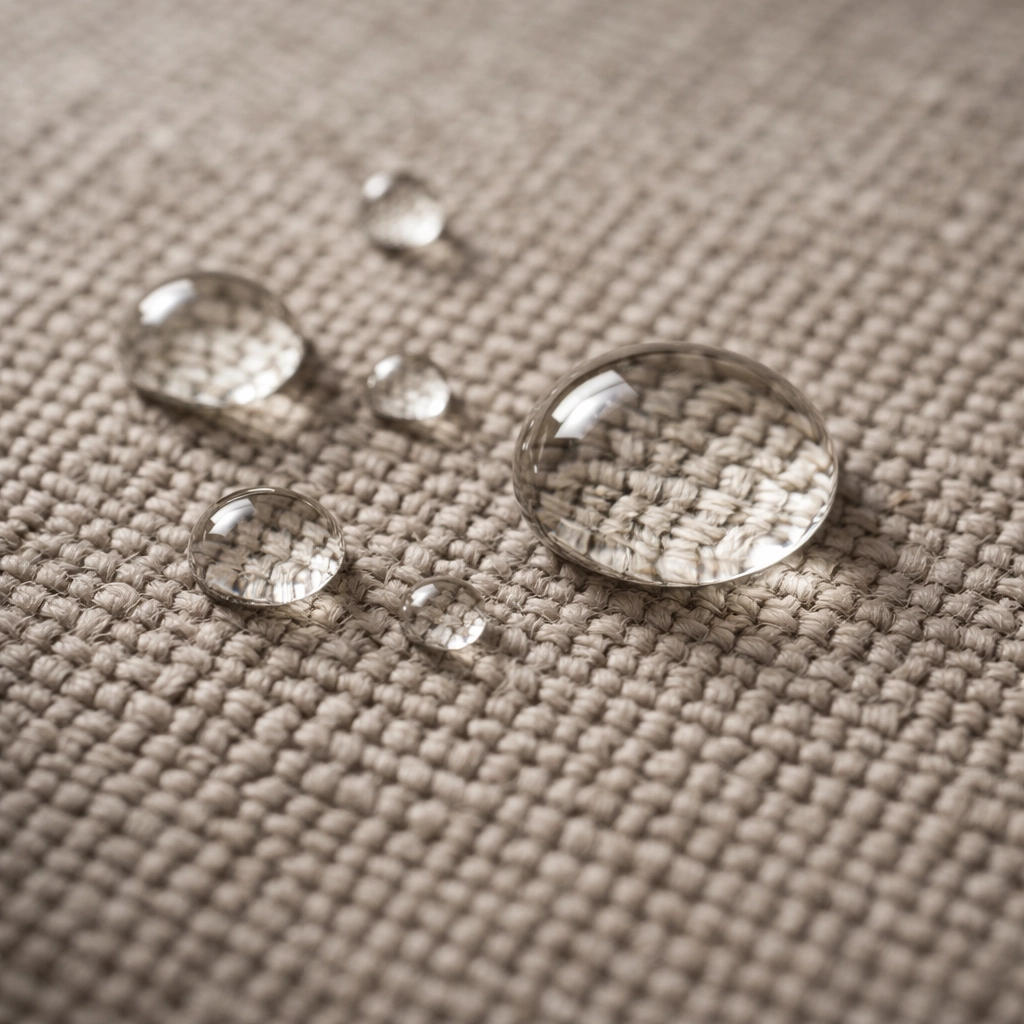
Inherently Resistant Fibers: Materials like polypropylene are naturally hydrophobic. Because the resistance is a property of the plastic itself rather than a chemical coating sprayed on top, it doesn't wash off or wear away, and it doesn't require PFAS to repel liquid.
High-Density Weaves: Advanced weaving techniques create a surface tension that mimics the repellent nature of chemical coatings, allowing spills to bead up on the surface long enough to be wiped away.
Alternative Finishes: New bio-based and silicone-based finishes are entering the market, offering impressive stain resistance while meeting the strictest 2026 safety standards.
By choosing the right materials, you can maintain the aesthetic and durability of your space while remaining fully compliant with new laws. For a deeper look at how quality materials extend the life of your furniture, check out our guide on how upholstery services extend the life of commercial furniture.
The Cost of Non-Compliance vs. The Value of Upgrading
Some owners may be tempted to wait until they are forced to change. However, the cost of non-compliance in 2026 goes beyond simple fines.
Liability Risks: As public awareness grows, the legal risk of knowingly maintaining environments with high PFAS levels increases.
Brand Reputation: In the age of social media, a "toxic-free" or "eco-friendly" dining environment is a powerful marketing tool. Conversely, being labeled as behind the times can hurt your brand.
Insurance Implications: We are beginning to see insurance providers ask more questions about chemical usage in commercial properties. Proactive replacement can lead to better risk assessments.
When you consider the long-term value, reupholstering your existing furniture with compliant, high-quality materials is often much more cost-effective than buying new, lower-quality pieces that may not meet the same standards. You can learn more about the benefits of custom fabric upholstery and how it applies to various commercial sectors on our blog.
Identifying Safe Materials: What to Look For
When you are sourcing new commercial upholstery, "PFAS-free" is the headline, but there are specific certifications you should look for to ensure you are getting a truly safe and durable product:
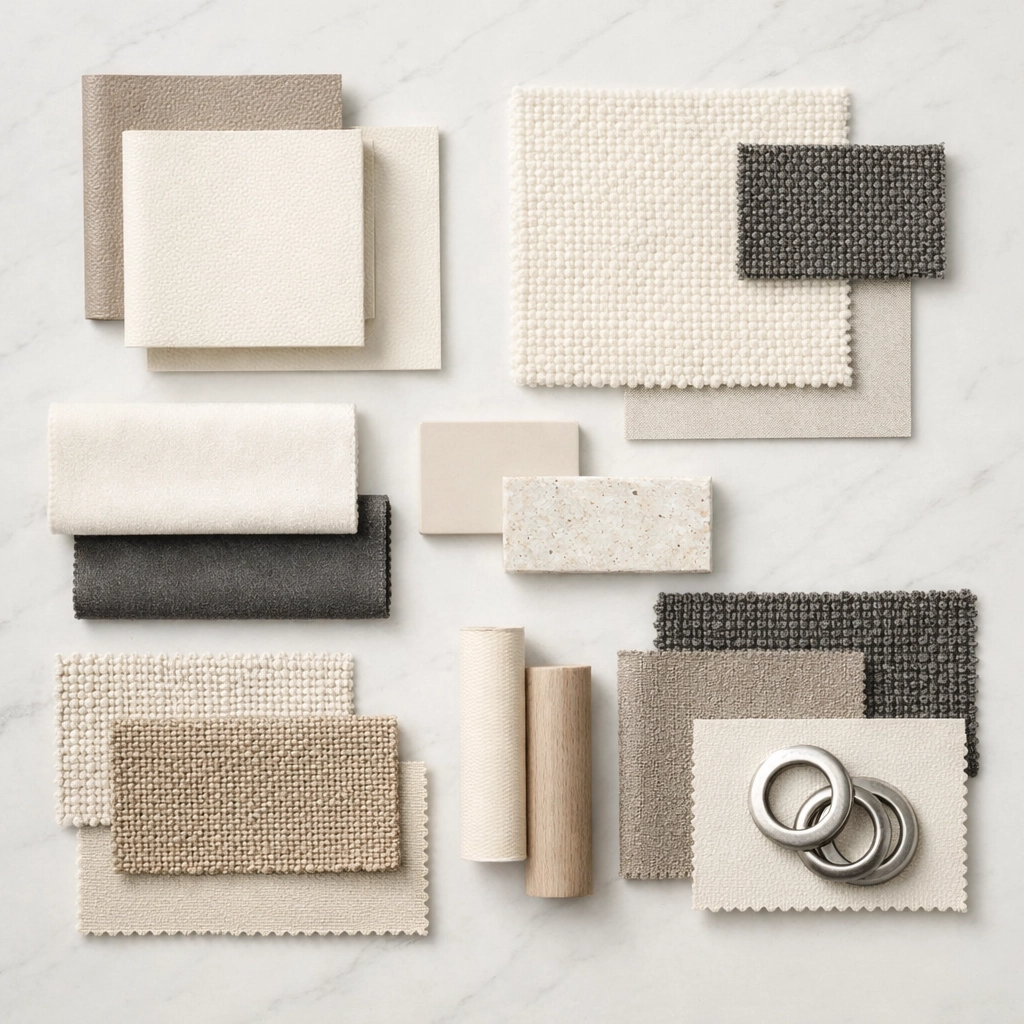
OEKO-TEX® Standard 100: This is one of the world's best-known labels for textiles tested for harmful substances. If a fabric carries this label, you can be certain it has been rigorously tested.
Greenguard Gold: This certification focuses on indoor air quality and low chemical emissions, ensuring that the fabrics aren't "off-gassing" harmful VOCs into your dining room.
Technical Data Sheets: Always ask your upholstery partner for the technical specifications. A professional provider will be able to show you exactly what the fabric is made of and how it was treated.
How Neuco Helps You Navigate the 2026 Standards
At Neuco, we have spent years preparing for this transition. We understand that as a restaurant owner, you don't have time to become a textile chemist. Our job is to bridge the gap between complex regulations and your need for beautiful, durable furniture.
Our process starts with a consultation where we assess your current seating and your specific needs. Whether you have high-traffic booths that need the "indestructible" feel of modern polypropylene or boutique chairs that require a luxury touch with PFAS-free natural blends, we source from a curated list of manufacturers who are leading the way in 2026 compliance.
We specialize in commercial upholstery that doesn't just meet the bare minimum of the law but exceeds the expectations of your guests. From our full-service shop, we can transform your existing furniture, ensuring it is safe, stylish, and built to last another decade. If you're curious about the technical side of what we do, you can read more about what is upholstery and why the details matter.
Maintaining Your PFAS-Free Seating
Once you have upgraded to compliant fabrics, maintenance is key. One of the myths about PFAS-free fabric is that it is harder to clean. In reality, it just requires a slightly different approach.
Standard cleaning protocols often involve harsh degreasers that were designed to work against chemical coatings. With modern, inherently resistant fibers, mild soap and water are often all you need. In fact, over-cleaning with the wrong chemicals can sometimes do more harm than good. For specific tips on keeping your new investment looking fresh, see our professional guide on how to clean upholstery.
Final Thoughts: A Healthier Future for Hospitality
Does PFAS-free fabric really matter in 2026? Absolutely. It matters for the legal standing of your business, the health of your customers, and the longevity of your brand. The transition away from "forever chemicals" is a significant step toward a more sustainable and responsible hospitality industry.
While the regulations may seem daunting, they also provide an opportunity to refresh your space and align your business with modern values. You don't have to navigate these changes alone. By partnering with experts who understand the intersection of design, durability, and safety, you can ensure your restaurant remains a staple of the community for years to come.
Ready to bring your seating into 2026 and beyond? Contact us at Neuco today to discuss your project, or explore our galleries to see the high-standard work we've done for businesses just like yours. Let's make your restaurant safer, more compliant, and more beautiful than ever.


Comments